“4 M” search results (1000)
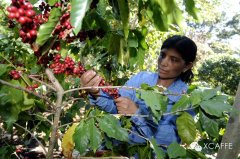
Name and introduction of Coffee Cooperative in Ethiopia
Production area of Sigiga Cooperative (1600-2500 m): Gedeo-Kochere Cochel members: 1862 people Land attribute: red Brown soil Certificate: Fair Trade Fair Trade, UTZ Sustainable cultivation, Organic Organic Coffee Finchewan Cooperative (1450-2000 m) production area: Gedeo-Wenago Vina members: 1271 people Land attribute: reddish Brown
2016-06-03 Ethiopia Coffee Cooperative name introduction Sigiga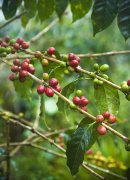
Name and introduction of Ethiopian Coffee Cooperative Organic Coffee African Fine Coffee Flavor
Production area of Sigiga Cooperative (1600-2500 m): Gedeo-Kochere Cochel members: 1862 people Land attribute: red Brown soil Certificate: Fair Trade Fair Trade, UTZ Sustainable cultivation, Organic Organic Coffee Finchewan Cooperative (1450-2000 m) production area: Gedeo-Wenago Vina members: 1271 people Land attribute: reddish Brown
2016-07-08 Ethiopia coffee cooperative name introduction organic Africa boutique flavor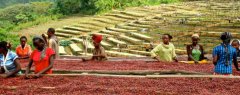
Ethiopian cooperatives introduce African boutique coffee beans
Production area of Sigiga Cooperative (1600-2500 m): Gedeo-Kochere Cochel members: 1862 people Land attribute: red Brown soil Certificate: Fair Trade Fair Trade, UTZ Sustainable cultivation, Organic Organic Coffee Finchewan Cooperative (1450-2000 m) production area: Gedeo-Wenago Vina members: 1271 people Land attribute: reddish Brown
2016-06-07 Ethel Searle Biya Cooperative introduction Africa Fine goods Coffee beans Sig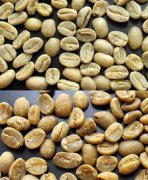
Grading of raw coffee beans there are two ways to grade raw coffee beans.
There are two ways to classify raw coffee beans, one is the filter number, and the other is the elevation. It is divided by the filter number, and the size is size in terms of the screen size. Round beans are generally smaller than flat beans, between 8-13 and 12-29. 8, 9, 10. 12, 13. 18. 29 = small, medium, ordinary. Quasi-big. Big, extra large. The bigger the size, the bigger the beans. Like SC-.
2015-06-05 Coffee beans grading coffee raw beans methods two kinds
Ethiopian Coffee Cooperative Name and Introduction African Fine Coffee Aduoduo High Quality Cooperative
Fine coffee is fresh coffee. Whether it's food or drink, the fresher the better, and so is specialty coffee. Coffee beans should be kept fresh before making fine coffee, including the preservation of roasted beans, and the coffee beans should be ground before making, which is also to retain its most original and best flavor. And hand brewed coffee making is such a way to make fine coffee
2016-06-27 Ethiopia Coffee Cooperative Name Introduction Africa Boutique Blossom Quality
Technical rules for cultivation of small seed Coffee basic knowledge of Coffee
1 scope this part stipulates the technical methods of small seed coffee garden selection, planning, reclamation, seeds, seedlings, planting, soil management and coffee tree management. This part is suitable for the cultivation of small seed coffee. 2 normative citation documents the provisions of the following documents become the provisions of this part through the citation of this section. For all dated reference documents, all subsequent revisions
2015-10-14 Small grains coffee cultivation techniques procedures basics common sense
Grading of raw coffee beans
There are two ways to classify raw coffee beans, one is the filter number, and the other is the elevation. It is divided by the filter number, and the size is size in terms of the screen size. Round beans are generally smaller than flat beans, between 8-13 and 12-29. 8, 9, 10. 12, 13. 18. 29 = small, medium, ordinary. Quasi-big. Big, extra large. The bigger the size, the bigger the beans. Like SC-.
2014-07-01 Raw beans raw coffee beans coffee beans grading
The skill of brewing top espresso is very important. The blending and blending of 4 M
In order to brew the top espresso, I think the blending and fusion of [4 M] is very important. The first is [Mistura]. It means the combination of coffee beans. In Italy, espresso beans should be combined with at least five kinds of beans. The coffee bar chef must know that the coffee beans he uses are a combination of those beans. This is to know how to cook it.
2015-07-28 Boil out top concentrated coffee skill 4 blending fusion important for
Classification of raw coffee beans in Coffee Encyclopedia
There are two ways to classify raw coffee beans, one is the filter number, and the other is the elevation. It is divided by the filter number, and the size is size in terms of the screen size. Round beans are generally smaller than flat beans, between 8-13 and 12-29. 8, 9, 10. 12, 13. 18. 29 = small, medium, ordinary. Quasi-big. Big, extra large. The bigger the size, the bigger the beans. Like SC-.
2014-09-19 Coffee encyclopedia raw coffee beans coffee raw beans grading
General knowledge of fine coffee beans grading of raw coffee beans
There are two ways to classify raw coffee beans, one is the filter number, and the other is the elevation. It is divided by the filter number, and the size is size in terms of the screen size. Round beans are generally smaller than flat beans, between 8-13 and 12-29. 8, 9, 10. 12, 13. 18. 29 = small, medium, ordinary. Quasi-big. Big, extra large. The bigger the size, the bigger the beans. Like SC-.
2014-11-13 Coffee knowledge boutique coffee coffee bean common sense grading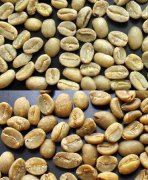
There are two methods for grading raw coffee beans in terms of sieve size, size
There are two ways to classify raw coffee beans, one is the filter number, and the other is the elevation. It is divided by the filter number, and the size is size in terms of the screen size. Round beans are generally smaller than flat beans, between 8-13 and 12-29. 8, 9, 10. 12, 13. 18. 29 = small, medium, ordinary. Quasi-big. Big, extra large. The bigger the size, the bigger the beans. Like SC-.
2015-10-05 Coffee raw beans grading method two kinds size sieve as a unit
The common sense of baristas in cafes espresso and four M
In order to brew the top espresso, I think the blending and fusion of [4 M] is very important. The first is [Mistura]. It means the combination of coffee beans. In Italy, espresso beans should be combined with at least five kinds of beans. The coffee bar chef must know that the coffee beans he uses are a combination of those beans. This is to know how to cook it.
2014-11-03 Coffee knowledge coffee shop barista espresso 4 M
The perfect espresso depends on 4 M's.
The first is Mistura, which means a combination of coffee bean types. In Italy, espresso coffee beans must be a combination of at least five coffee beans. The coffee bar master must be aware of the combination of coffee beans he uses. This is to find out what the espresso you brew tastes like. Deep understanding of coffee beans, in order to clear to the guests
2014-07-18 Coffee knowledge espresso 4M coffee encyclopedia
Graded coffee raw bean treatment
At present, there are three main rating criteria for raw coffee beans, and different countries adopt different rating methods according to their own production conditions and national conditions (not all coffee producing countries adopt the same method). Let's introduce these three popular rating methods. One: the reason for the emergence of such a classification standard according to the altitude of the coffee producing area is mainly because of the high level.
2014-09-18 Grading of raw coffee beans and treatment of raw coffee beans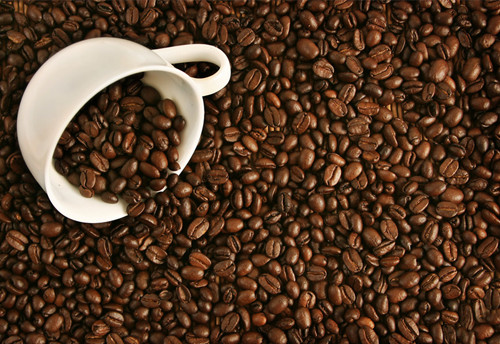
Basic knowledge of fine coffee grading of raw coffee beans
At present, there are three main rating criteria for raw coffee beans, and different countries adopt different rating methods according to their own production conditions and national conditions (not all coffee producing countries adopt the same method). Let's introduce these three popular rating methods. One: the reason for the emergence of such a classification standard according to the altitude of the coffee producing area is mainly because of the high level.
2015-04-17 Boutique coffee basics common sense raw beans grading at present
Introduction of coffee beans and some boutique coffee in the main producing areas of coffee beans in the world (4)
Introduction of coffee beans and some boutique coffee in the main coffee producing areas of the world: Asia and Arabian Peninsula
2014-06-18 Coffee knowledge coffee bean producing areas boutique coffee
Narrow leaf coffee Coffea stenophylla G. Don
Coffea stenophylla G. Don, Gen. Syst. 3: 581. 1834; A. Cheval. Op. Cit. 210; A. E. Haarer, op. Cit. 25; Hainan Flora 3: 348. 1974. Shrubs to small trees, 3-6 m tall, usually 1-3 m above ground before branching; old branches gray-white, with inflated nodes; young branches slender, compressed. Leaves thinly leathery, narrowly oblong or
2014-06-30 Narrow leaf coffee beans fine coffee beans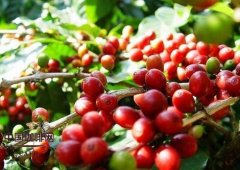
Dumerso Dumeso Cooperative Yega Xuefei Dumerso Dumeso Cooperative single Black Coffee
Boutique coffee (specialty coffee) is also called specialty coffee selection coffee. It refers to coffee made from a small number of raw beans with excellent taste grown in an ideal geographical environment. Depending on the special soil and climatic conditions in which they grow, they have outstanding flavor. After strict selection and classification, this kind of coffee is hard in texture, rich in taste and stylish.
2016-06-28 Dumerso Dumeso Cooperative Yega Chevy Black Coffee essence
The barista in the cafe-- espresso and the law of four M
In order to brew the top espresso, I think the blending and fusion of [4 M] is very important. The first is [Mistura]. It means the combination of coffee beans. In Italy, espresso beans should be combined with at least five kinds of beans. The coffee bar chef must know that the coffee beans he uses are a combination of those beans. This is to know how to cook it.
2015-01-22 Coffee restaurant division concentrate four the law in order to boil top
Large-grained coffee Coffea liberica Bull ex Hiern Liberica coffee
English name: big fruit coffee Name:Coffea liberica: coffee introduce: initiated in Liberia and West Africa. Large shrubs or small trees, 6-15 m tall; bark dark brown; branches spreading, hard and straight. Leaves opposite, leathery, elliptic or Obovate-elliptic, 15-30 cm long, apex mucronate, base broadly cuneate, margin entire, rarely microwave, often in axils of lower veins
2014-06-30 Large grains of coffee Libby Ricca coffee beans large fruit coffee beans